
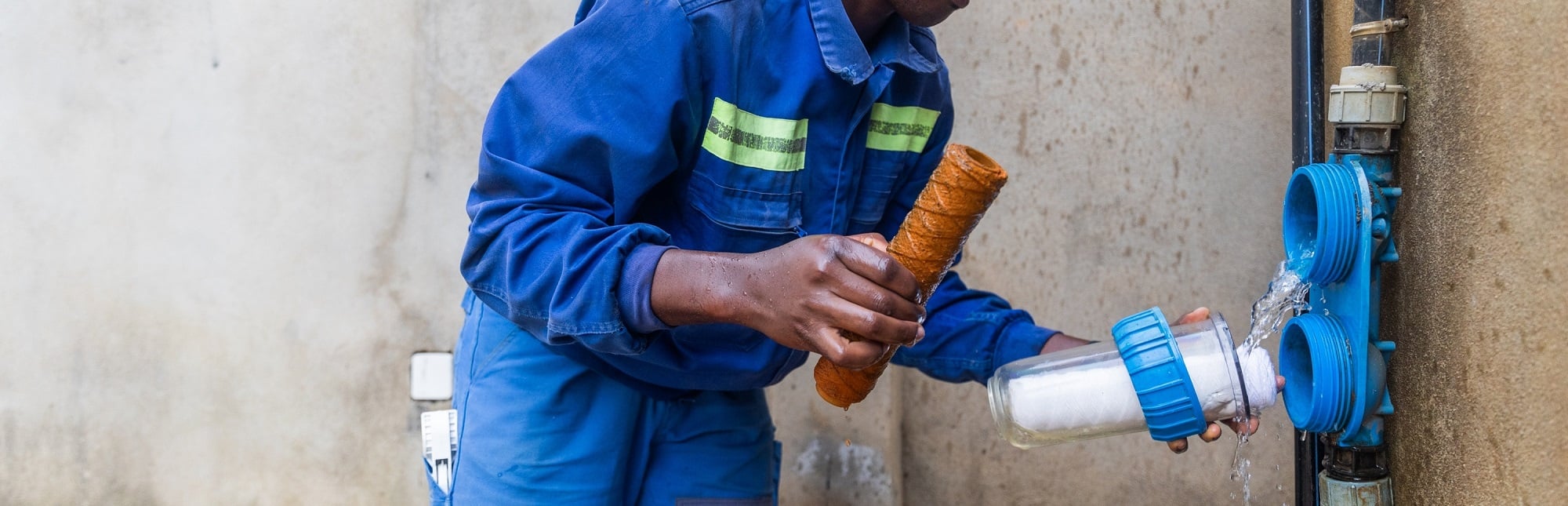
Dutch policy on drinking water, sanitation and hygiene - collectively termed as WASH - has changed drastically over the last ten years. For decades, WASH interventions consisted of so-called direct interventions: installing drinking water connections, building toilets, and distributing menstrual products. In 2012, IOB concluded that, in this way, the Netherlands had reached many people, but only in the short term. A lack of maintenance and ownership resulted in low sustainability.
Motivation for research
A new approach was needed, focusing on the "entire system", where - next to infrastructure - efforts are directed toward governance, roles and responsibilities, policy change, integrated water management and finance, to improve ownership and maintenance. This evaluation assesses whether Dutch WASH policy has contributed to system change, with functioning WASH systems for sustainable access to WASH services, including for most vulnerable groups.
Main question
How and to what extent has the Netherlands contributed to sustainable access to drinking water, sanitation and hygiene, notably for marginalised groups, in Ethiopia, Kenya and the Sahel region?
Researchers
- Pim de Beer, contact person
- Martine de Groot
- Jelmer Kamstra
- Cécile Reinkingh
Process
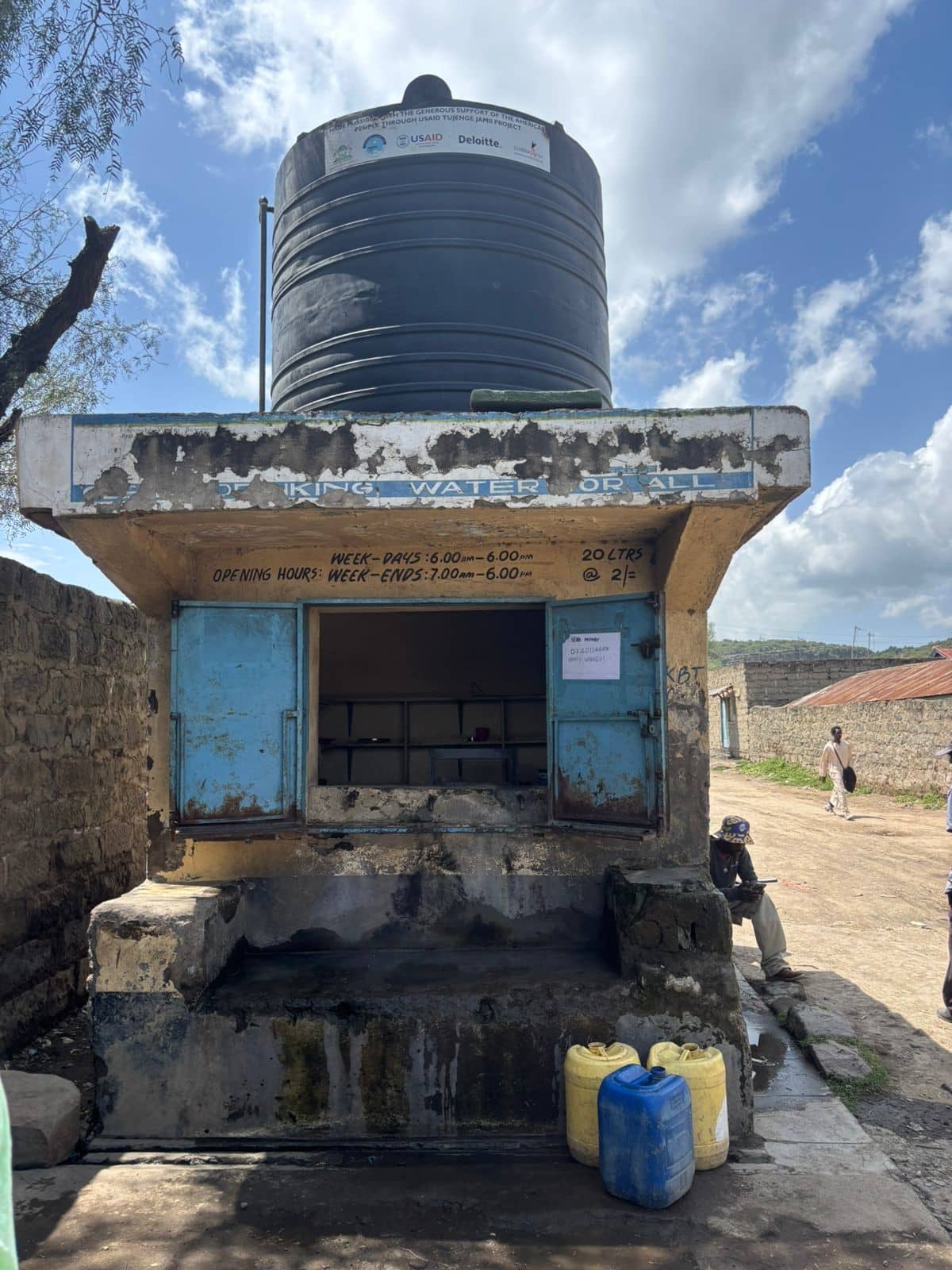
Water kiosk Kenya 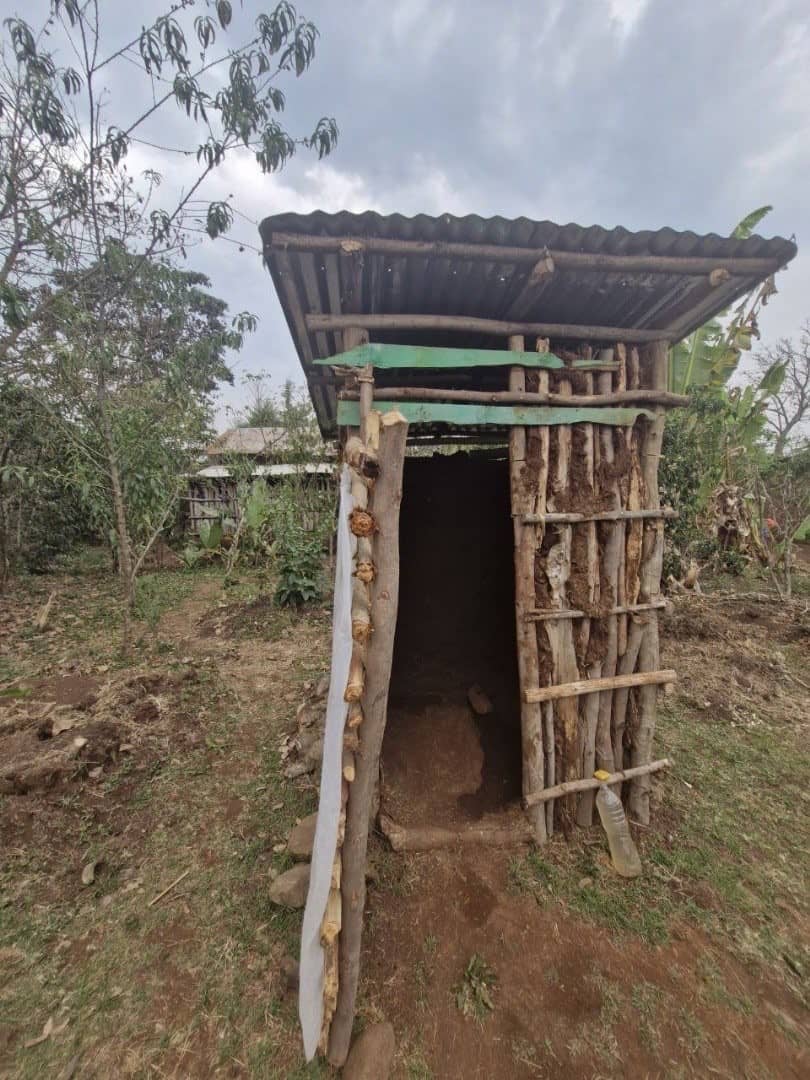
Household toilet. Built as part of the project intervention. 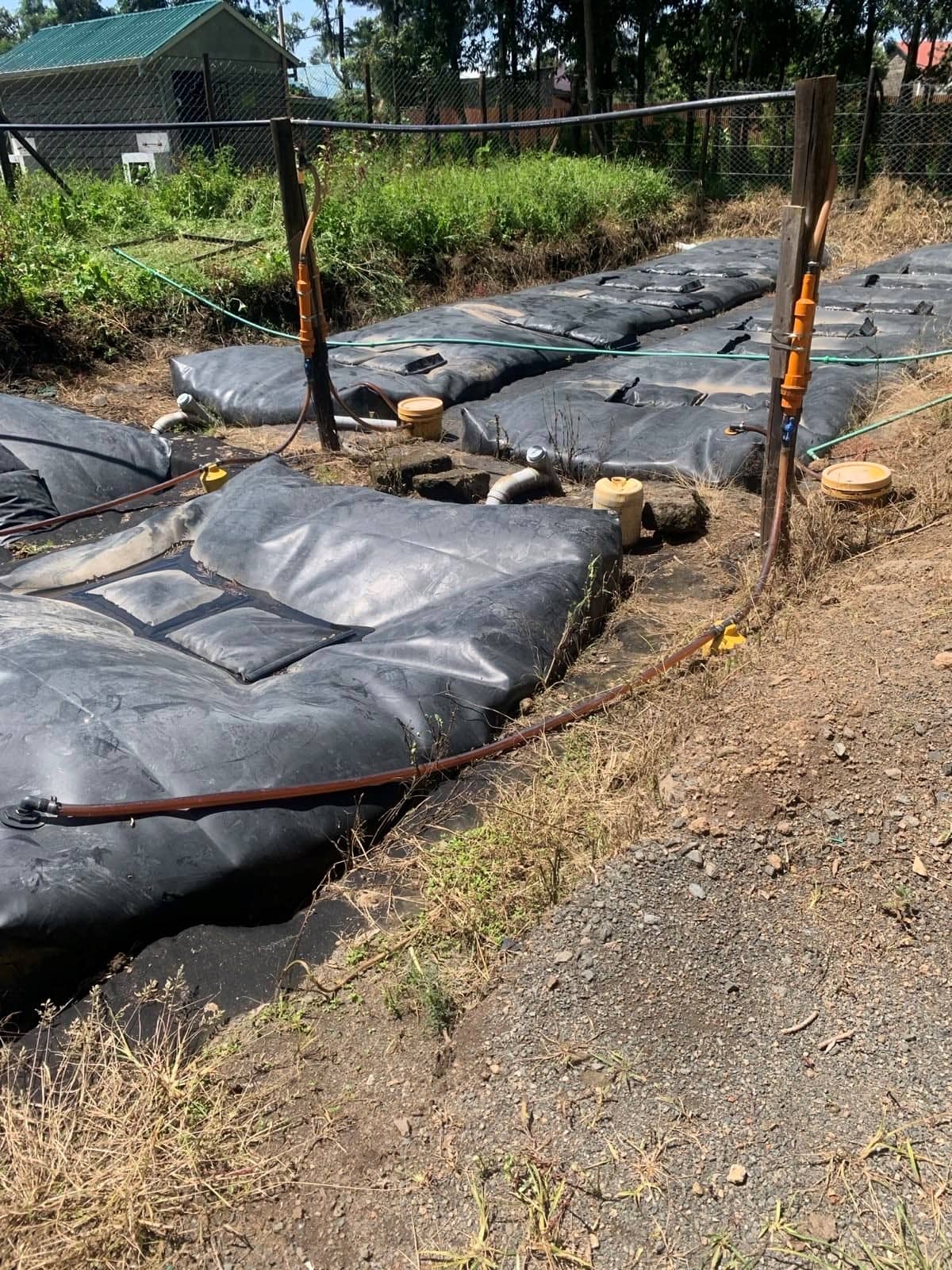
Filtering system for extracting cooking gas for use in school kitchen.